What Games Can Teach Us About Motivation
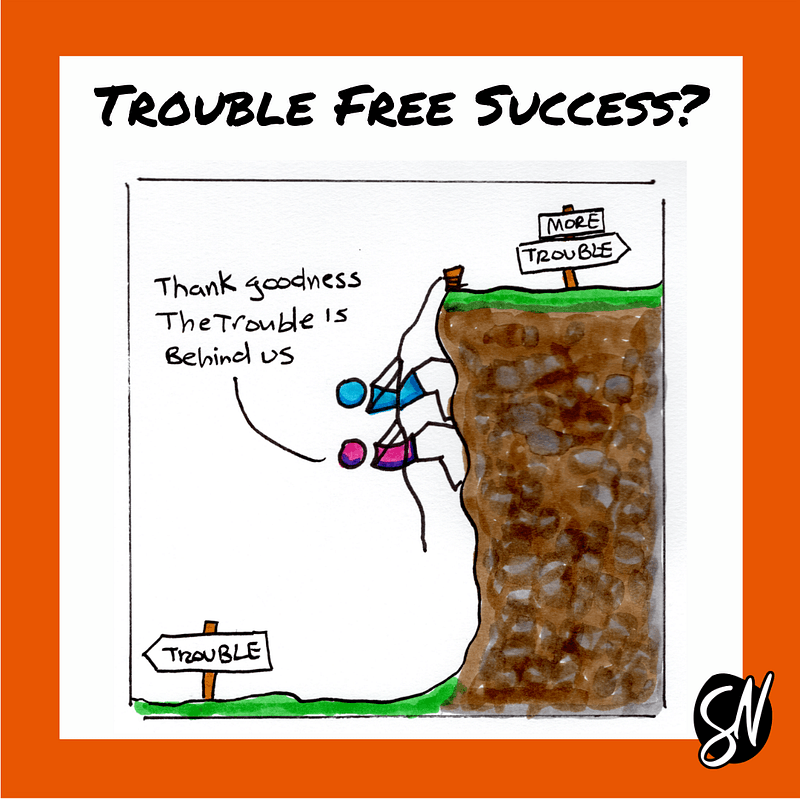
When I’m running a Culture Kitchen workshop, I frequently joke that video games can teach us something about life. When we solve a problem, we get a higher order problem to solve. Even when you are successful, problems tend to move toward the more challenging rather than the less challenging. People are so distracted by the fear of failure that they can miss the fact that new challenges lie along both paths.
Simon Sinek touches on this in his book The Infinite Game.(Sinek, 2020) Life is a game where we play as long as we can. The goal is to stay in and ahead of the game. This means that there is no finish line. Wins can lead to new challenges just like setbacks can.
It also means that when we think about gaming, great games are almost always most disappointing when they end.
Games Leverage Choice
More than that, truly great games are engineered to generate voluntary engagement. This is essential. Games you are required to play just are not that much fun. This is why to some extent “gamification” has its limits. The concept of Self Determination Theory put forward by Edward Deci and Richard Ryan has three pillars, one of which is Autonomy. We need to feel that what we are doing is voluntary. The other two pillars are mastery, and purpose.
This autonomy is a big deal. It is one reason open-play games have come to dominate the landscape of video games. In the video game Prey developers at Bethesda went to great lengths to make every action useful. If you can do it. You can do it.
In video game tournaments, when a player complains of “spamming” (a tactic that some players consider unfair), I have heard the Tournament Organizer reply, “If you can do it in the game. You can do it in the game.” In business we call this “disruption”. We get used to how we do things, then someone else comes at us from an angle we did not expect. There is a staggering amount of freedom all around us that we largely don’t see due to our focus on that task at hand.
Video game designers intentionally cultivate feelings of autonomy and player choice. The game Super Smash Bros Ultimate supports six distinct styles of play. There are more than 70 characters available to play, and you can win with any of them. Think about how much choice that gives players.
Can you imagine if every job at your company has six different ways of being done? What would it take to make all of them valid? What would be necessary for all of them to be supported? It’s a daunting thought isn’t it? It may not make sense for your business but it does for game developers because they charge people to work at their games. How much would your own team respond if you found ways to cultivate any level of autonomy?
As David Allen said,
Simple, clear purposes and principles give rise to complex and intelligent behavior. Complex rules and regulations give rise to simple and stupid behavior.
Mastery — the Second Pillar
In all the games I worked on, advised for, and consulted with, I never saw anyone talking about creating “addictive games”. I think most people in the industry realize that creating a life destroying product is not a good idea, nor is it sustainable or scalable. In other words it is bad business. That’s not to say it doesn’t happen, but in every video game I was a part of what I saw were people who worked desperately not to be ignored. Creating great experiences for others is non-trivial work. (Just ask any Event planner).
Creating great experiences that you have almost no control over? Welcome to game development. (It almost feels like running a business.)
Games create engagement by feeding our sense of motivation. If the game play is tuned right it can challenge our sense of mastery. The game feels rewarding because we feel like our efforts are producing progress. If designers have planned out the experience, the player feels like they are the one in charge of the choices. I once heard Tim Schafer, the founder of Double Fine studios say at a D.I.C.E. Conference,
“The purpose of NPCs (non-player-characters) is to make the player feel SMART.”
Players ask for smart AI (artificial intelligence) but what they really want is AI that challenges them and makes them feel capable and competent. This is really important. If you want people to voluntarily tackle hard challenges, you want to stay away from making them feel stupid.
What about purpose
If games can build a business by delivering on Autonomy and Mastery, what about Purpose?
It amazes me that most video games completely spoof the third pillar, purpose. I don’t think anyone playing a game really believes they are going to save the kingdom, or vanquish the Nazi zombies. But this is largely only true for single player games. The biggest games in the world today often are team games. The largest esports titles with the largest audiences feature games that pit 5 player teams against each other.
Purpose can be found within the team, and within representing a community. Professional and collegiate sports have known this for more than a century. If the activity itself is simply an interesting exercise, being able to connect our personal effort to another group of people can provide a real sense of purpose.
When we feel that our actions can affect people we can relate to the power of purpose and can affect our behavior without our even knowing it. A very interesting study reported on the Harvard Business Review uncovered that cooks make tastier food when they can their customers. When we can relate to the people our actions affect it is a powerful motivator.
Putting It All Together
If you are trying to create a more engaging team environment, sometimes it’s the small things that can make a big difference. Can you identify opportunities to give your team freedom of choice even in small ways? We discovered during our Nintendo Labo Workshop program where we worked with more than 30,000 children through the boys and girls clubs building RC (remote control) car kits, that giving the children the opportunity to customize their cars dramatically increased their interest and enjoyment of the project.
Taking the time to get staff to visualize who they help, and who depends upon them can make a huge difference. Just check out Chic-Filet’s amazing Every Person Has a Story training video. This is a brilliant example helping staff connect their work to relatable people.
But most important of all, setting up the idea that challenges are something to look forward to, like a video game, can help us stay in the infinite game of business.